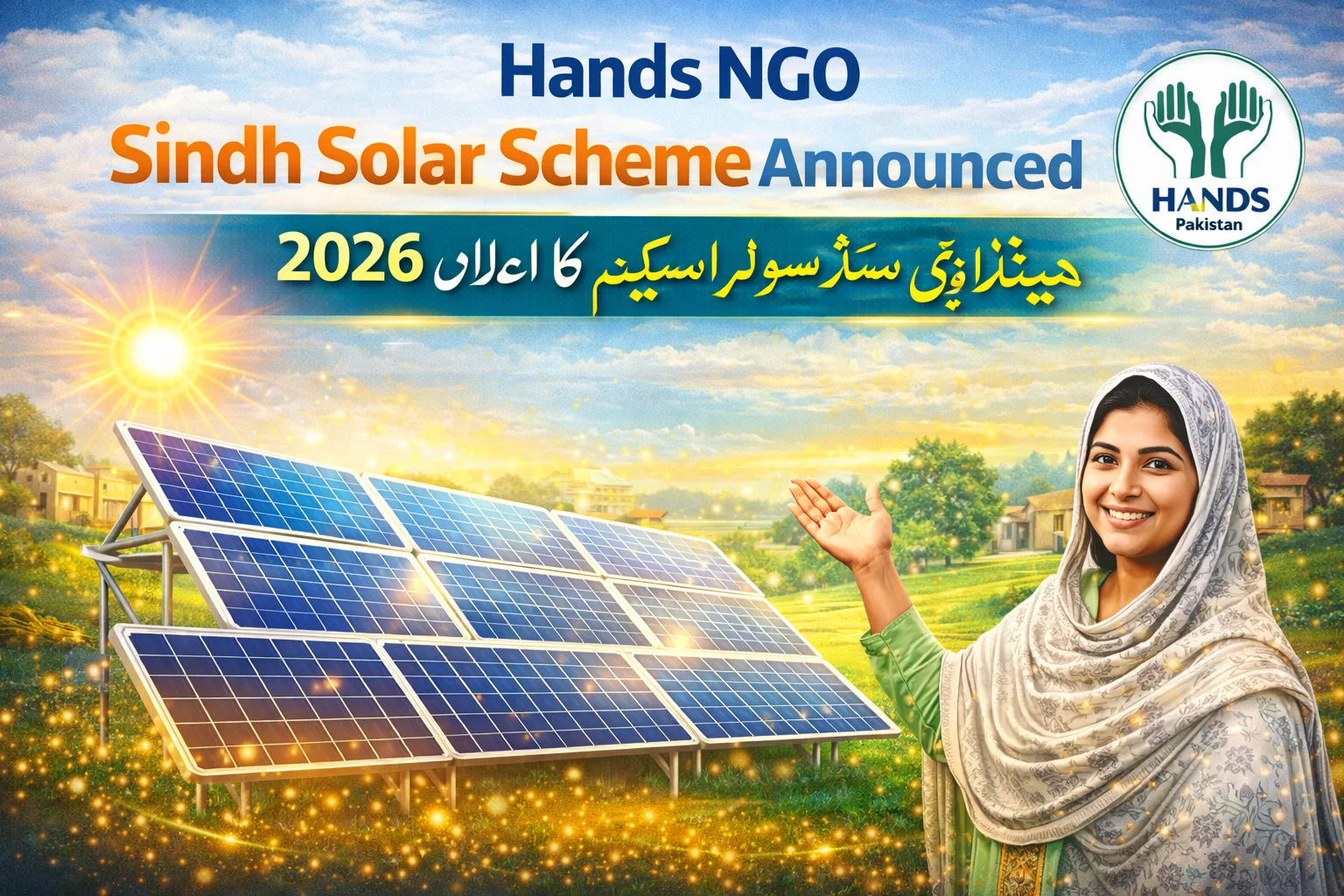
Sindh Solar Energy Project (SSEP) By HANDS NGO: Powering a Sustainable Future for Vulnerable Families
The Sindh Solar Energy Project (SSEP) marks a transformative initiative in Pakistan, signifying a groundbreaking step towards sustainability and energy access for all. Launched by the Sindh Government in collaboration with HANDS Pakistan, this ambitious project aims to dramatically improve the lives of vulnerable families across the province. Through the provision of Solar Home Systems (SHS), SSEP is set to empower communities, particularly those still recovering from the devastating 2022 floods and beneficiaries of the Benazir Income Support Program (BISP).
Addressing Energy Poverty through Sindh Solar Energy Project (SSEP)
For many years, large segments of Sindh’s population have faced severe energy poverty, lacking reliable access to electricity. This challenge was exacerbated for communities impacted by the catastrophic 2022 floods, which destroyed infrastructure and homes. The Sindh Solar Energy Project (SSEP) emerges as a crucial intervention, designed to bridge this energy gap and bolster resilience among the most affected populations. It aligns with global efforts to transition towards clean energy sources, reducing reliance on fossil fuels and mitigating environmental impact.
The Collaborative Vision: Sindh Government and HANDS Pakistan
The success of the Sindh Solar Energy Project (SSEP) is deeply rooted in the strong partnership between the Sindh Government and HANDS Pakistan. This collaboration leverages the government’s strategic vision and commitment to public welfare alongside HANDS Pakistan’s extensive experience in community development and last-mile distribution. The alliance underscores a shared goal of fostering sustainability and improving living standards for marginalized communities through inclusive development.
Inauguration and Project Scope of the Sindh Solar Energy Project (SSEP)
The official inauguration of the Sindh Solar Energy Project (SSEP) took place in key areas including Sukkur, Ghotki, and Khairpur, underscoring the provincial reach of this vital effort. The launch event was graced by Sindh Chief Minister Syed Murad Ali Shah, alongside a distinguished panel of officials, including Energy Minister Syed Nasir Hussain Shah and Planning & Development Minister Saeed Ghani. Representing HANDS Pakistan, CEO Dr. Shaikh Tanveer Ahmed, Project Director Muhammad Usman, and Karachi District Executive Manager Zeeshan Yaseen were present, reaffirming their dedication.
Chief Minister Murad Ali Shah on the Importance of Clean Energy
During the inauguration, Sindh Chief Minister Murad Ali Shah highlighted the profound impact of the Sindh Solar Energy Project (SSEP). He emphasized its role in delivering clean energy solutions directly to the homes of those most in need, particularly the vulnerable families affected by natural disasters. He stated, “This project is not just about lights; it’s about illuminating futures, improving education, health, and economic prospects for our people.” Senior PPP member Syed Khursheed Ahmed Shah echoed these sentiments, stressing the government’s unwavering commitment to sustainable development initiatives.
HANDS Pakistan’s Role in Delivering Solar Home Systems (SHS)
As the designated Last Mile Distributor, HANDS Pakistan plays a pivotal role in the implementation of the Sindh Solar Energy Project (SSEP). The organization is tasked with installing 86,667 Solar Home Systems (SHS) across 13 districts of Sindh. This operational efficiency is critical to ensure that the benefits of clean energy reach every intended beneficiary seamlessly. The overall project is projected to benefit a total of 200,000 beneficiaries throughout 30 districts of Sindh, demonstrating its massive scale.
Transforming Lives with Solar Home Systems (SHS) for Vulnerable Families
The provision of Solar Home Systems (SHS) through the Sindh Solar Energy Project (SSEP) will fundamentally transform daily life for vulnerable families. Access to reliable electricity means children can study after dark, homes become safer with proper lighting, and small businesses can operate for longer hours. This shift reduces reliance on expensive and harmful kerosene lamps, leading to improved indoor air quality and significant cost savings for recipient households. Further information on such initiatives can often be found on platforms like NewSchemes.com.
Supporting Flood-Affected and BISP Beneficiaries with Clean Energy
A primary focus of the Sindh Solar Energy Project (SSEP) is to provide critical support to vulnerable families, specifically those still reeling from the devastating 2022 floods and beneficiaries of the Benazir Income Support Program (BISP). These groups represent some of the most economically disadvantaged segments of society, for whom access to reliable, affordable electricity is a fundamental need and a step towards recovery and self-sufficiency. The initiative underscores a commitment to equity and social welfare.
Long-Term Sustainability and Economic Impact of SSEP
Beyond immediate relief, the Sindh Solar Energy Project (SSEP) is designed with long-term sustainability in mind. By introducing clean energy solutions, it helps reduce the carbon footprint of individual households and contributes to Pakistan’s broader climate change mitigation goals. Economically, the reduced expenditure on traditional energy sources frees up household income, which can be reallocated to other essential needs, fostering local economic growth and community resilience. This shift towards Solar Home Systems (SHS) represents a significant investment in the future well-being of Sindh.
FAQs about the Sindh Solar Energy Project (SSEP)
What is the Sindh Solar Energy Project (SSEP)?
The SSEP is an initiative by the Sindh Government in collaboration with HANDS Pakistan to provide Solar Home Systems (SHS) to vulnerable families across Sindh.Who are the primary beneficiaries of the SSEP?
The project targets vulnerable families, including those affected by the 2022 floods and beneficiaries of the Benazir Income Support Program (BISP).How many beneficiaries will the SSEP reach?
The overall project will benefit 200,000 beneficiaries across 30 districts of Sindh. HANDS Pakistan will install 86,667 Solar Home Systems across 13 districts.What is HANDS Pakistan’s role in the SSEP?
HANDS Pakistan acts as the Last Mile Distributor, responsible for the installation of Solar Home Systems (SHS) and ensuring they reach the intended recipients.Who officially launched the Sindh Solar Energy Project?
The project was launched by Sindh Chief Minister Syed Murad Ali Shah, accompanied by Energy Minister Syed Nasir Hussain Shah, Planning & Development Minister Saeed Ghani, and officials from HANDS PakistanWhat are the main benefits of Solar Home Systems (SHS) for families?
SHS provide reliable and affordable clean energy, improving access to lighting for education and household tasks, reducing energy costs, and promoting environmental sustainability.Why is clean energy important for Sindh?
Clean energy helps address energy poverty, reduces reliance on expensive and polluting fossil fuels, mitigates climate change impacts, and supports economic development in rural areas.
Conclusion
The inauguration of the Sindh Solar Energy Project (SSEP) marks a pivotal moment for sustainability and social equity in Sindh. By strategically deploying Solar Home Systems (SHS) to vulnerable families, especially those impacted by the 2022 floods and BISP beneficiaries, the Sindh Government, in partnership with HANDS Pakistan, is not just providing electricity; it is investing in human dignity and future prosperity. This commitment to clean energy will undoubtedly uplift communities, foster resilience, and pave the way for a more illuminated and environmentally conscious Sindh. The project exemplifies how thoughtful policy and effective collaboration can deliver tangible benefits, transforming lives one solar panel at a time.