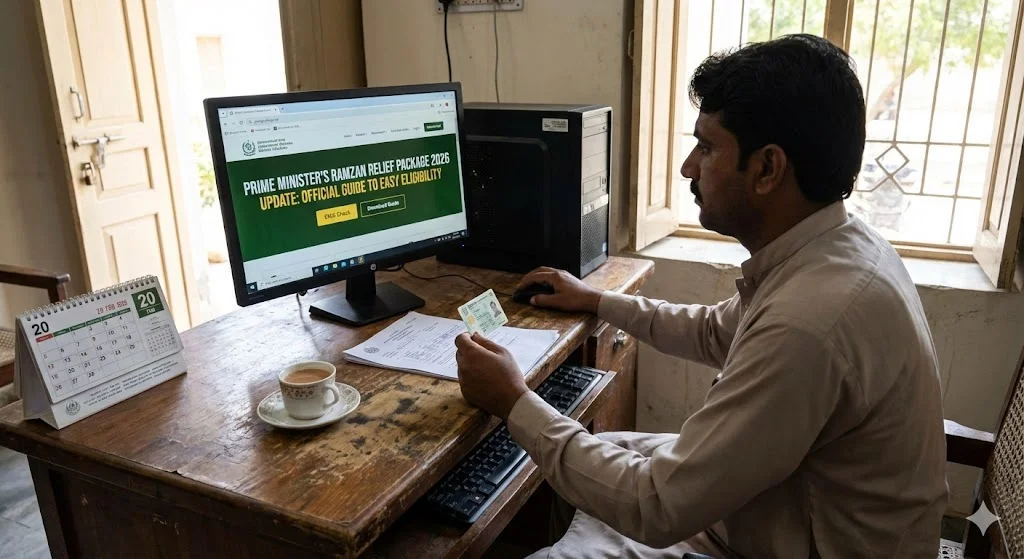
PM Ramzan Relief Package 2026: New Sindh List 2026
PM Ramzan Relief Package 2026 is the primary social safety net initiative launched by the Government of Pakistan to support low-income households during the holy month. This program specifically targets vulnerable populations in Sindh, providing essential food commodities at highly subsidized rates. By integrating with the Benazir Income Support Programme (BISP), the government ensures that the relief reaches those documented as living below the poverty line. 19 essential items, including flour, sugar, and pulses, are scheduled for price reductions at Utility Stores across the province.
The initiative serves as a critical intervention against rising inflation and food costs that often spike during the festive season. To ensure transparency, the federal government has linked the distribution mechanism directly to the National Socio-Economic Registry (NSER). This digital approach minimizes the risk of duplication and ensures that the PM Ramzan Relief Package 2026 remains accessible to the deserving poor. According to government officials, the subsidy is designed to provide a financial cushion for millions of families struggling with basic sustenance.
Key Details of the PM Ramzan Relief Package 2026 in Sindh
The PM Ramzan Relief Package 2026 represents a coordinated effort between the federal government and the Utility Stores Corporation (USC) to stabilize market prices. In Sindh, where the poverty profile varies across urban and rural landscapes, this package acts as a stabilizer for the local economy. The government has allocated significant budgetary reserves to maintain these subsidies, ensuring that the stock of essential goods remains consistent throughout the month. Portals like NewSchemes.com often highlight these updates to keep the public informed about latest registration deadlines.
Authorities have confirmed that the coverage area for these subsidies includes every administrative district in Sindh. From the bustling streets of Karachi to the remote areas of Tharparkar, the PM Ramzan Relief Package 2026 is being rolled out through a massive network of permanent and mobile utility units. This expansive reach is vital for maintaining food security in regions where market fluctuations significantly impact daily wage earners. The program’s execution is monitored by district administrations to prevent hoarding or black-marketing of subsidized goods.
Eligibility Criteria for the PM Ramzan Relief Package 2026
To qualify for the benefits of the PM Ramzan Relief Package 2026, beneficiaries must have a recorded PMT (Proxy Means Test) score within the range specified by BISP. Generally, households with a PMT score below 32 or 40 (depending on the specific category) are prioritized for the highest level of subsidies. This data-driven selection process removes human bias, making the distribution fair and equitable. Families must ensure their records in the BISP 8171 database are updated to reflect their current socioeconomic status.
Furthermore, applicants must possess a valid Computerized National Identity Card (CNIC) to access the PM Ramzan Relief Package 2026 at distribution points. Without a verified CNIC, the digital systems at Utility Stores cannot process the discount. For many residents in rural Sindh, this requirement underscores the importance of participating in the ongoing NSER surveys. If a family is already receiving the Benazir Kafalat monthly stipend, they are typically automatically enrolled in the Ramzan subsidy program for that year.
Sindh District-Wise Coverage within the PM Ramzan Relief Package 2026
The PM Ramzan Relief Package 2026 is fully active across all 30 districts of Sindh, ensuring that geographical barriers do not hinder access to food. Major divisions including Karachi, Hyderabad, Sukkur, Larkana, and Mirpurkhas have established dedicated points for distribution. In districts like Jacobabad and Shikarpur, additional mobile vans are often deployed to reach agricultural workers who may not be able to travel to city centers. This logistical strategy is part of the government’s commitment to inclusive development.
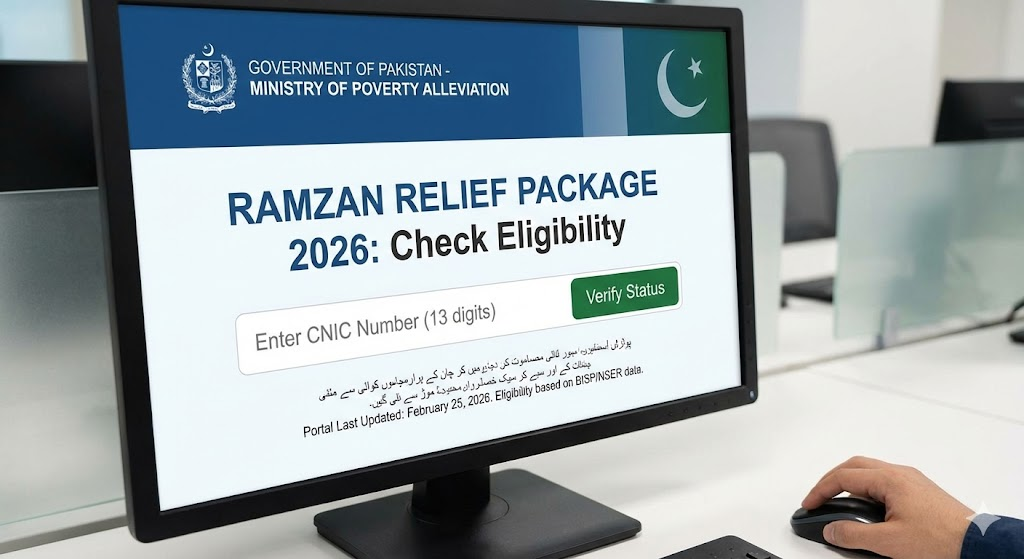
DOWNLOAD RAMZAN HERE LIST 2026
Within these districts, the PM Ramzan Relief Package 2026 utilizes over 1,000 Utility Store outlets. Officials from the Sindh provincial government have noted that regular inspections are conducted to verify that stocks are reserved strictly for the registered beneficiaries. For residents in areas like Sanghar or Shaheed Benazirabad, the availability of these subsidized items provides much-needed relief during a period of high consumption. The BISP local offices also provide assistance to citizens who need to verify their district-wise status.
How to Check Eligibility for the PM Ramzan Relief Package 2026
Confirming your status for the PM Ramzan Relief Package 2026 can be done through the 8171 SMS service. Residents of Sindh simply need to type their 13-digit CNIC number and send it to 8171 from their registered mobile phone. Within seconds, an automated response will indicate whether the household is eligible for the special Ramzan discounts. This service is free of cost and operates 24/7 to facilitate millions of potential beneficiaries across the country.
Alternatively, the BISP web portal provides a comprehensive interface to check eligibility for the PM Ramzan Relief Package 2026. By entering the CNIC on the official portal, users can view their current PMT score and their eligibility for various government schemes. It is important to avoid third-party apps that claim to provide this data; only official government channels should be trusted. Websites like NewSchemes.com can be used for general information, but the final verification always happens through the 8171 system.
Subsidized Items Available Under the PM Ramzan Relief Package 2026
The list of items covered under the PM Ramzan Relief Package 2026 focuses on high-consumption staples. Wheat flour is offered at a significant discount, often priced much lower than the prevailing open-market rates. Other critical items include sugar, ghee, cooking oil, and various pulses such as Daal Chana and Daal Masoor. These items are the backbone of the “Sahar” and “Iftar” meals for millions, making the subsidy highly impactful.
In addition to these staples, the PM Ramzan Relief Package 2026 often includes discounts on tea, dates, and squashes. The Utility Stores Corporation is tasked with ensuring these items meet quality standards before they reach the consumer. By providing a one-stop-shop for these essentials, the government reduces the time and effort low-income families must spend on securing food. Beneficiaries should always check their receipts to ensure the subsidy has been correctly applied to their total bill.
What to Do if Ineligible for the PM Ramzan Relief Package 2026
If a citizen finds they are not eligible for the PM Ramzan Relief Package 2026 after checking through 8171, they should visit the nearest BISP Tehsil Office. Many families are excluded simply because their information in the National Socio-Economic Registry is outdated. By participating in a new survey, they can have their socioeconomic status re-evaluated for future cycles of the relief package. This is a vital step for households that have experienced recent financial hardship.
Appeals can also be lodged if there is a discrepancy in the records presented during the PM Ramzan Relief Package 2026 verification. Government helpline numbers are available to provide guidance on the complaint process. It is important to remember that these subsidies are targeted toward the most vulnerable, and the criteria are strictly enforced to prevent the depletion of resources by those who can afford market prices. Keeping your CNIC data current at NADRA centers is the first step toward rectifying eligibility issues.
Frequently Asked Questions (FAQs)
1. Is the PM Ramzan Relief Package 2026 only for BISP beneficiaries?
Priority is given to BISP beneficiaries, but the package often includes a broader criteria for low-income families whose PMT scores fall within the eligible range set for that year.
2. Can I get the subsidy from any private grocery store in Sindh?
No, the subsidies under the PM Ramzan Relief Package 2026 are primarily available through the Utility Stores Corporation (USC) outlets and designated mobile units.
3. What is the maximum limit for buying subsidized flour?
The government usually sets a monthly limit per CNIC (e.g., 20kg or 40kg of flour) to ensure that the PM Ramzan Relief Package 2026 reaches as many families as possible without running out of stock.
4. How do I register for the first time?
You can register by visiting a BISP registration center for an NSER survey. Once your data is processed and your PMT score is calculated, you will be considered for the PM Ramzan Relief Package 2026.
5. Are there any hidden fees for the 8171 SMS service?
No, the government of Pakistan provides the 8171 SMS verification service for the PM Ramzan Relief Package 2026 as a free utility for all citizens.
6. Is Karachi included in the Sindh beneficiary list?
Yes, all districts of Karachi are included, and the PM Ramzan Relief Package 2026 is implemented through a large network of utility stores in the metropolitan area.
7. Does the subsidy apply to cooking oil and ghee?
Yes, cooking oil and ghee are among the most heavily subsidized items within the PM Ramzan Relief Package 2026 due to their high demand and price volatility.
Conclusion
The PM Ramzan Relief Package 2026 – Sindh Beneficiary List represents a vital lifeline for millions of citizens facing economic hardships. By leveraging the data from BISP and the physical infrastructure of Utility Stores, the government has created a robust system that prioritizes transparency and efficiency. This initiative not only provides immediate relief in the form of cheaper food items but also reinforces the social contract between the state and its most vulnerable residents. As the program continues to evolve, the integration of digital verification ensures that every rupee of the subsidy reaches the right hands. For residents of Sindh, staying informed through official channels and keeping records updated remains the best way to secure these essential benefits every year.