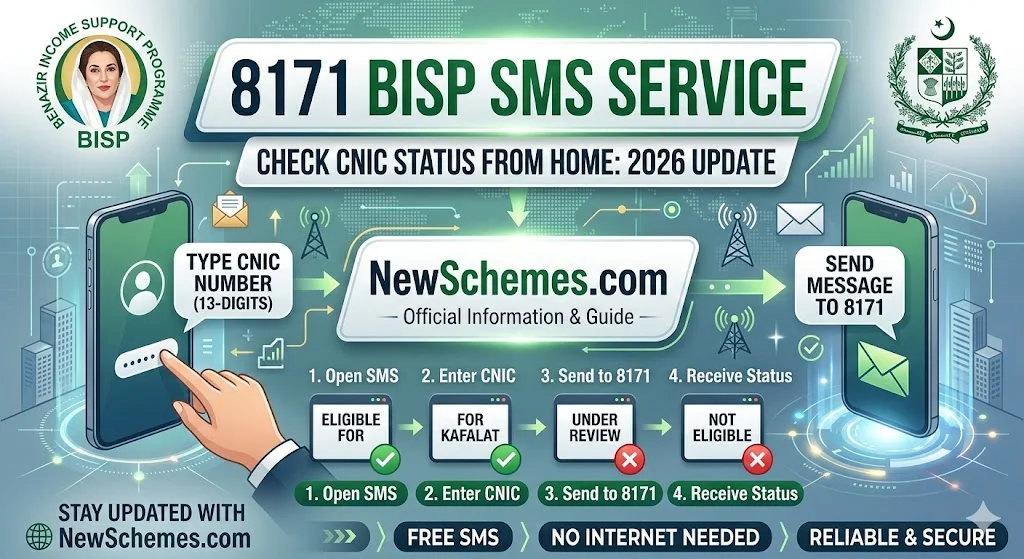
The BISP registration process is a cornerstone of Pakistan’s largest social safety net, the Benazir Income Support Programme (BISP). This vital program provides essential financial assistance to millions of underprivileged women across the country, aiming to alleviate poverty and empower vulnerable households. Central to this initiative is the Dynamic National Socio-Economic Registry (NSER) Survey, an advanced data collection mechanism designed to ensure that aid reaches those who need it most.
Understanding the Benazir Income Support Programme (BISP)
The Benazir Income Support Programme, launched in 2008, embodies the state’s commitment to supporting its most vulnerable citizens. At its core, BISP offers quarterly cash payments to eligible families, primarily through women, which helps them meet basic needs. Beyond direct financial aid, BISP also facilitates educational stipends for children, encouraging school enrollment and reducing child labor. Moreover, the program demonstrates flexibility by offering special support for flood-affected families and other emergency situations, showcasing its role as a dynamic safety net.
The Evolution of BISP Registration Process: Dynamic NSER
Initially, BISP relied on a static NSER survey, which, while effective, faced challenges in keeping pace with demographic and socio-economic changes. Recognizing this, BISP transitioned to a more robust and continuous data collection mechanism: the Dynamic NSER Survey. This shift ensures that the registry remains up-to-date, allowing the program to identify newly eligible beneficiaries and remove those who no longer meet the criteria. The integrity of the BISP registration process hinges on this continuous update.
What is the Dynamic NSER Survey?
The Dynamic NSER Survey is a continuous, nation-wide data collection effort that profiles households across Pakistan based on their socio-economic indicators. Unlike its predecessor, this dynamic survey allows BISP to regularly reassess the eligibility of families. It employs a Proxy Mean Test (PMT) that calculates a household’s poverty score, thereby identifying the truly underprivileged. This ongoing process is vital for the equitable distribution of financial assistance and forms the foundation of the BISP registration process. For more information on such initiatives, visit NewSchemes.com.
Navigating the BISP Registration Process: How to Register
For new applicants or those whose status needs updating, understanding how to register is crucial. The process primarily involves visiting designated BISP Tehsil Offices or NSER centers.
Steps to Register for BISP through Dynamic NSER:
- Visit a BISP Tehsil Office/NSER Desk: Potential beneficiaries can locate their nearest BISP office or designated NSER survey center.
- Provide Identity Documents: Applicants must present their valid Computerized National Identity Card (CNIC) for themselves and their family members. This is a mandatory step in the BISP registration process.
- Undergo Data Collection: A trained BISP official will guide the applicant through a questionnaire to gather socio-economic data about their household. This typically takes about 30-45 minutes.
- Biometric Verification: Fingerprint verification may be required to confirm identity.
- Poverty Score Assessment: The collected data is then processed through the PMT system to generate a poverty score, which determines eligibility.
- Receive Confirmation: Once assessed, eligible families receive confirmation of their inclusion in the program and details regarding their first payment.
It is important to note that registration is free of charge, and BISP strictly warns against middlemen or agents demanding fees.
Eligibility Criteria for BISP Financial Assistance
While the Dynamic NSER Survey is the gatekeeper, certain core criteria define who qualifies for BISP support. The program primarily targets women from the poorest households, typically those earning below a certain poverty threshold defined by the PMT score. Other factors considered include family size, asset ownership, and employment status. Widowhood, disability, and status as a single mother significantly increase the likelihood of eligibility. The objective of the BISP registration process is to ensure assistance reaches those most in need, fostering a more equitable society.
Impact of BISP’s Support and Further Outreach
The impact of the Benazir Income Support Programme is far-reaching. BISP has disbursed over 2.7 trillion rupees since its inception. Official figures indicate that as of the fourth quarter of 2023, BISP was assisting over 9 million beneficiary families across Pakistan. This financial assistance not only provides a safety net but also contributes to women’s empowerment, granting them greater financial autonomy and decision-making power within their households. The educational stipends, in particular, have been instrumental in improving school enrollment for children, with over 2.6 million children currently benefiting. The program’s rapid response to crises, such as providing financial aid to flood-affected families, highlights its crucial role in national disaster relief efforts.
The Role of Technology in the BISP Registration Process
Technology plays a pivotal role in streamlining the BISP registration process and ensuring transparency. From the digital collection of NSER data to biometric verification and direct bank transfers, technological advancements have minimized human intervention and reduced the potential for corruption. The use of mobile payment solutions has also made it easier for underprivileged women in remote areas to access their quarterly cash payments securely and efficiently. Continuous innovation in registration and disbursement mechanisms remains a priority for BISP.
Frequently Asked Questions about BISP Registration
- Who is eligible for BISP support?
Families, primarily through women, scoring below a certain poverty threshold on the Proxy Mean Test (PMT) and deemed eligible by the Dynamic NSER Survey. - How can I apply for BISP?
Visit your nearest BISP Tehsil Office or NSER survey center with your valid CNIC to undergo the Dynamic NSER survey. - Is there a fee for BISP registration?
No, the BISP registration process is completely free. Report any individual asking for money. - What documents are required for registration?
A valid Computerized National Identity Card (CNIC) is the primary document required. - How long does it take to know if I’m eligible?
After completing the Dynamic NSER survey, it takes some time for data processing and eligibility assessment. You will be informed once a decision is made. - Can flood-affected families get special BISP assistance?
Yes, BISP provides special support to families affected by natural disasters, including floods, often through accelerated registration and disbursement. - What if my information changes after registration?
It is crucial to update your information by visiting a BISP Tehsil Office or NSER center to ensure your eligibility status is current.
Conclusion
The Benazir Income Support Programme, powered by the continuous data collection of the Dynamic NSER Survey, stands as a critical pillar of social welfare in Pakistan. The refined BISP registration process ensures that financial lifelines, educational stipends, and crisis support reach millions of underprivileged women and their families effectively. By embracing technology and continuously refining its targeting mechanisms, BISP upholds its commitment to poverty alleviation and women’s empowerment, fostering hope and stability for the nation’s most vulnerable.