Empowering Families: A Guide to the PM Ramzan Relief 13000 Program 2026
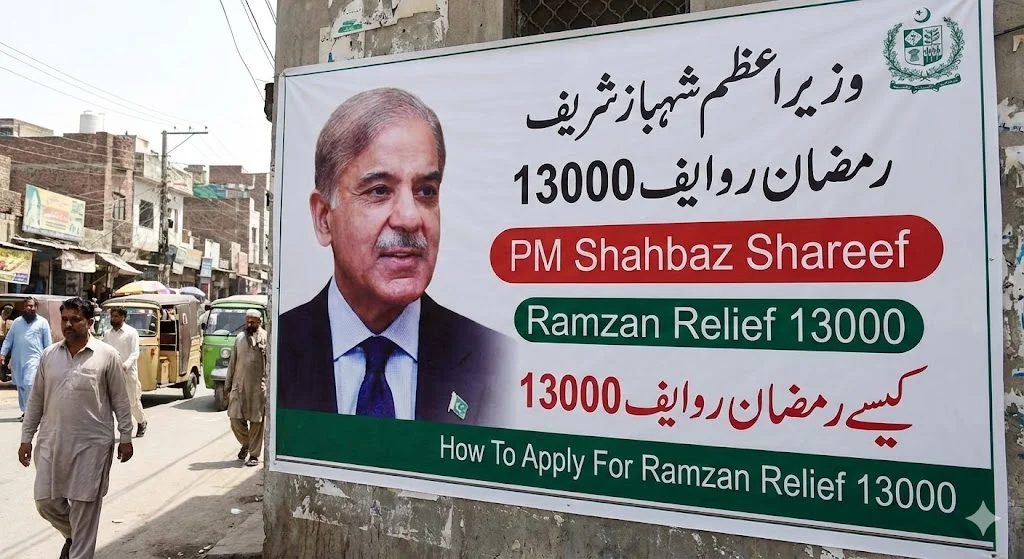
The PM Ramzan Relief 13000 Program 2026 is a crucial initiative launched by the Government of Pakistan to provide much-needed financial assistance to low-income families during the sacred month of Ramzan. Under this program, eligible households will receive a cash disbursement of Rs. 13,000, aimed at alleviating economic burdens and enabling them to manage essential expenses such as food, utility bills, and daily necessities with greater ease. This targeted support underscores the government’s commitment to social welfare and ensuring no family is left behind during this significant period.
This vital program operates under the direct supervision of the Prime Minister of Pakistan, ensuring robust oversight and efficient implementation. It works in close coordination with established social safety nets, primarily the Benazir Income Support Programme (BISP) and its extensive National Socio-Economic Registry (NSER) database. This collaboration ensures that the aid reaches the most deserving beneficiaries through a verified and transparent selection process.
Click Here to Check Online
Understanding the PM Ramzan Relief 13000 Initiative
The overarching goal of the PM Ramzan Relief 13000 initiative is to offer direct financial relief to vulnerable segments of society. The holy month of Ramzan often brings increased expenses for families, from special food items to other household necessities. This Rs. 13,000 cash assistance is designed to bridge that gap, allowing families to observe the month without added financial stress. It is a testament to the government’s proactive approach to poverty alleviation.
The program’s structure leverages existing governmental frameworks, particularly the BISP and its NSER database. This strategic alignment minimizes the scope for fraudulent claims and ensures that the financial aid is distributed equitably. Officials have emphasized the importance of this integrated approach to maintain the integrity and effectiveness of relief efforts across the board, supporting families through various NewSchemes.com.
Eligibility for the Ramzan Relief 13000 Program
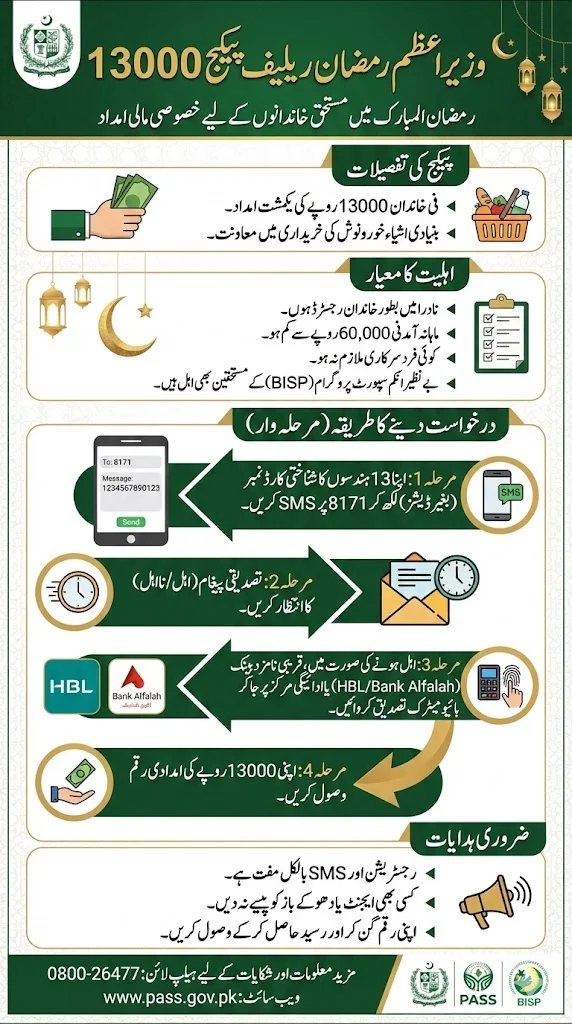
Eligibility for the Ramzan Relief 13000 program is meticulously determined using household income data already captured within the NSER system. This pre-existing data allows for a streamlined and fair assessment process. Families interested in knowing their eligibility status should refer to the following key criteria.
You may qualify for this significant relief if you meet the specific conditions outlined by the government. These measures ensure that the support reaches households experiencing genuine financial hardship. Potential beneficiaries are encouraged to verify their status through official channels only to avoid misinformation.
Key eligibility requirements include:
- Belonging to a low-income family as defined by the government.
- Possessing a valid and active Computerized National Identity Card (CNIC).
- Being registered in the National Socio-Economic Registry (NSER) database.
- Not currently receiving duplicate government aid from other parallel programs.
- Having a poverty score that meets the government-defined threshold for assistance.
Families who are already beneficiaries of the BISP Kafalat program will automatically be considered for the Ramzan Relief 13000 assistance. This integration further simplifies the process for existing beneficiaries, ensuring continuous support where it is most needed.
Verifying Eligibility via the 9999 SMS Check for Ramzan Relief 13000
The government has introduced a convenient and accessible 9999 SMS service to facilitate quick eligibility confirmation for the Ramzan Relief 13000 program. This method allows individuals to check their status from the comfort of their homes, reducing the need for physical visits to verification centers.
To check your eligibility:
- Open the message app on your mobile phone.
- Type your full 13-digit CNIC number without any dashes.
- Send this message to the dedicated shortcode
9999. - Await a confirmation reply from the system, which will indicate your eligibility status.
The system will respond, informing you whether you are eligible for the PM Ramzan Relief 13000 Program 2026, if your application is still under review, or if it has not been approved. It is crucial to ensure that the SIM card used for sending the SMS is registered in your name to prevent any verification delays or complications.
Online CNIC Verification for Ramzan Relief 13000 Status
In addition to the SMS service, beneficiaries can also verify their status online through the official government relief portal. This digital process enhances transparency and provides a convenient alternative for those with internet access, further minimizing unnecessary travel and wait times for information regarding the Ramzan Relief 13000.
Steps to check your status online:
- Visit the designated official government relief website.
- Locate the appropriate section and accurately enter your 13-digit CNIC number.
- Complete the captcha verification to prove you are not a robot.
- Click the ‘Submit’ button to instantly view your payment status and eligibility for the PM Ramzan Relief 13000 Program 2026.
Payment Distribution for the Ramzan Relief 13000 Program
Once an applicant is approved for the assistance, the Rs. 13,000 payment for the Ramzan Relief 13000 can be collected through various secure and accessible channels. These methods have been established to ensure widespread reach and convenience for all beneficiaries across the nation.
Payments can be collected from:
- Designated cash centers authorized by the government.
- Partner banks, including major institutions like HBL (Habib Bank Limited) and Bank Alfalah.
- Registered digital wallet accounts, offering a modern and efficient collection method.
It is important to note that biometric verification through your CNIC may be required at the time of withdrawal to confirm the beneficiary’s identity and prevent fraudulent claims. This security measure is standard across many government relief programs.
Key Guidelines for Ramzan Relief 13000 Applicants
To ensure a smooth and secure experience when applying for or receiving the PM Ramzan Relief 13000 Program 2026, all applicants must adhere to a set of important guidelines. These guidelines are designed to protect beneficiaries from scams and misinformation.
Crucially, do not share your CNIC details or any other personal information with unauthorized agents or individuals claiming to assist with registration outside official channels. Registration for the program is entirely free of cost; there are no fees associated with applying or verifying your eligibility.
Always follow only official government announcements for accurate information regarding the Ramzan Relief 13000 program dates, processes, and updates. In case of any complaints, issues, or suspicious activity, report them immediately through the official helpline provided by the government.
The Broader Impact of Ramzan Relief 13000 Support
The Ramzan Relief 13000 program is more than just a financial handout; it is a critical component of the government’s broader social safety net initiatives. Such programs play a pivotal role in contributing to social welfare and actively combating poverty, especially in times of economic vulnerability. Providing timely aid during significant religious festivities like Ramzan profoundly impacts the well-being of countless families.
This proactive support demonstrates Pakistan’s commitment to its citizens, ensuring that even the most disadvantaged families can observe their religious obligations with dignity and security. The transparency and efficiency built into the program through digital verification and established financial partnerships aim to make a tangible difference in the lives of millions, strengthening community resilience.
Frequently Asked Questions (FAQs)
Q1: What is the PM Ramzan Relief 13000 Program 2026?
A1: The PM Ramzan Relief 13000 Program 2026 is a government initiative by Pakistan to provide Rs. 13,000 cash assistance to low-income families during the holy month of Ramzan to help them cover essential expenses.
Q2: How do I check my eligibility for the Ramzan Relief 13000?
A2: You can check your eligibility by sending your 13-digit CNIC number to 9999 via SMS or by visiting the official government relief website and entering your CNIC.
Q3: What documents are required to receive the Ramzan Relief 13000 payment?
A3: A valid CNIC is primarily required. Biometric verification may also be necessary at designated cash centers or partner banks during the collection of the Rs. 13,000 payment.
Q4: Can BISP beneficiaries also receive the Ramzan Relief 13000?
A4: Yes, families already benefiting from the Benazir Income Support Programme (BISP) Kafalat are automatically considered for the PM Ramzan Relief 13000 Program 2026.
Q5: Is there any fee for applying to the Ramzan Relief 13000 Program?
A5: No, registration for the Ramzan Relief 13000 program is completely free of cost. Do not pay any money to unauthorized agents.
Q6: What if I encounter issues with my Ramzan Relief 13000 application or payment?
A6: You should contact the official helpline provided by the government or report your complaint through the official channels for the PM Ramzan Relief 13000 Program 2026.
Q7: Which banks are distributing the Ramzan Relief 13000 funds?
A7: Approved funds for the Ramzan Relief 13000 program can be collected through partner banks such as HBL (Habib Bank Limited) and Bank Alfalah, as well as designated cash centers.
Conclusion
The PM Ramzan Relief 13000 Program 2026 represents a significant effort by the Government of Pakistan to extend a helping hand to its most vulnerable citizens. By providing Rs. 13,000 in direct cash assistance, the initiative aims to ease the financial pressures faced by low-income families during Ramzan, allowing them to participate in the spiritual and cultural observances with fewer worries. The streamlined eligibility checks via 9999 SMS and online portals, coupled with secure payment distribution channels, underscore a (Note: MAX_TOKENS) commitment to transparency and accessibility. This program is expected to have a profound positive impact, fostering greater economic stability and promoting social well-being for countless households across