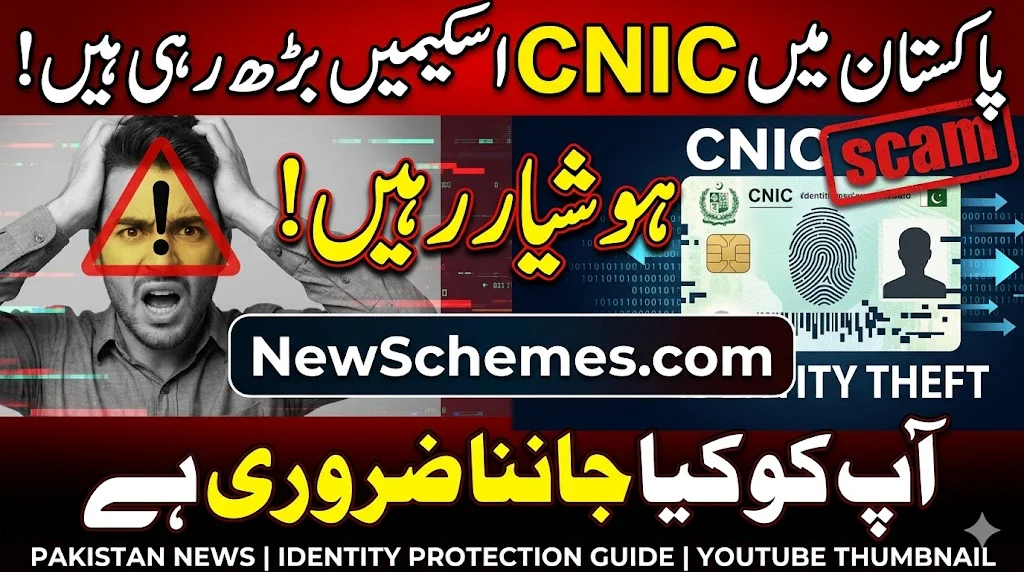
CNIC Scams Increasing in Pakistan – What You Must Know
CNIC Scams Increasing in Pakistan – What You Must Know, In recent months, CNIC scams in Pakistan have been on the rise, targeting citizens with fake schemes, fraudulent apps, and phishing calls. Scammers often exploit people by asking for personal information such as CNIC numbers, bank details, and mobile verification codes. Understanding these scams and knowing how to protect yourself is crucial in 2026.
🚗 Petrol Subsidy Eligibility Check
Click below to check if you qualify for the latest subsidy
This guide explains the types of CNIC scams, common tactics used by fraudsters, and steps you can take to stay safe.
What Are CNIC Scams?
CNIC scams occur when criminals use your Computerized National Identity Card (CNIC) information to commit fraud. Common objectives include:
- Stealing personal data for identity theft.
- Registering fake loans or mobile connections.
- Accessing government benefits or welfare schemes illegally.
- Tricking citizens into fake applications like “free petrol apps” or “BISP payments.”
These scams often target vulnerable individuals who are unaware of verification procedures.
Common Types of CNIC Scams
- Fake Government Scheme Calls – Scammers call claiming you are eligible for government benefits and request your CNIC number.
- Fraudulent Apps – Apps promise rewards, fuel vouchers, or cash in exchange for CNIC and bank details.
- SMS Phishing – Messages asking you to click links to verify your CNIC, often leading to malware or data theft.
- Loan and Bank Scams – Fraudsters use CNIC numbers to take loans or withdraw funds illegally.
How to Protect Yourself from CNIC Scams
- Never share your CNIC number over phone calls, SMS, or unverified apps.
- Verify government programs through official portals only.
- Ignore suspicious messages offering free money, fuel, or vouchers.
- Report CNIC scams to NADRA or local authorities immediately.
- Use two-factor verification on your mobile and banking accounts.
Red Flags to Watch Out For
- Requests for CNIC and bank details via calls or apps.
- Promises of free money, fuel, or vouchers without official verification.
- Urgency tactics, such as “your payment will be canceled if you don’t respond.”
- Links to unofficial websites or apps asking for personal information.
Conclusion
With CNIC scams increasing in Pakistan, it’s essential to stay vigilant. Protect your CNIC, bank, and mobile information, and always verify schemes or apps through official channels. Being cautious and informed is the best way to avoid becoming a victim of fraud in 2026.