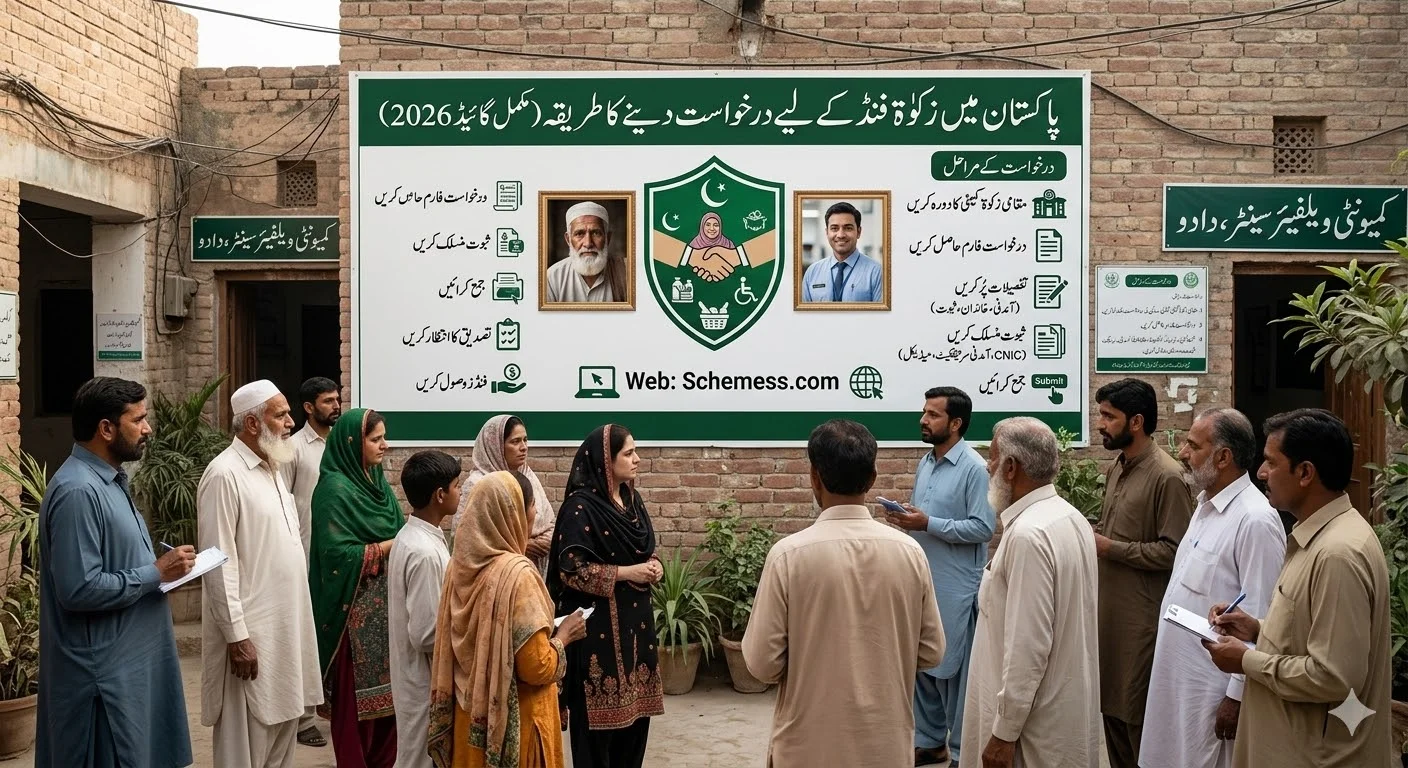
How to Apply for Zakat Fund in Pakistan (Complete Guide 2026)
Learn how to apply for Zakat fund in Pakistan in 2026. Step-by-step guide to eligibility, application process, required documents, and government Zakat programs.
How to Apply for Zakat Fund in Pakistan
Zakat is an important pillar of Islam that helps support poor and needy people. In Pakistan, the government distributes Zakat funds to eligible individuals through local committees and welfare programs. If you are facing financial difficulties, you may qualify for financial support through the official Zakat system.
This guide explains how to apply for Zakat fund in Pakistan, eligibility requirements, documents needed, and the application process.
What Is Zakat Fund in Pakistan?
The Zakat Fund in Pakistan is a government-managed financial assistance program that distributes collected Zakat to deserving individuals. The program is supervised by the Zakat and Ushr Department under different provincial governments.
The funds are used to support:
- Poor families
- Widows
- Orphans
- Disabled individuals
- Students who cannot afford education
- Patients needing medical treatment
The goal of the program is to ensure that Zakat reaches people who truly need financial help.
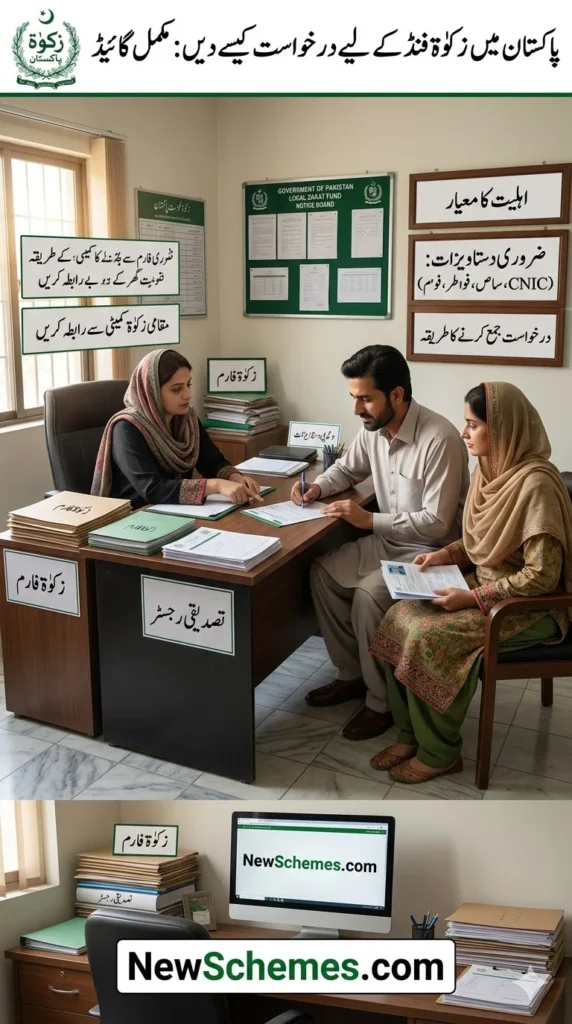
Who Is Eligible for Zakat in Pakistan?
To apply for Zakat assistance, you must meet certain eligibility criteria. Generally, the following individuals qualify:
1. Low-Income Families
Families who cannot meet basic living expenses such as food, rent, and education.
2. Widows and Orphans
Widows without financial support and orphaned children may receive Zakat assistance.
3. Disabled Persons
Individuals with disabilities who cannot work or earn income.
4. Students from Poor Families
Students who cannot afford tuition fees may receive Zakat scholarships or stipends.
5. Medical Patients
Patients with serious illnesses who cannot afford medical treatment may receive Zakat medical support.
However, individuals who own significant property, businesses, or savings may not qualify.
Types of Zakat Assistance in Pakistan
The Zakat system provides different forms of financial help to eligible individuals.
1. Guzara Allowance
This is a monthly financial support program for poor families. The money helps cover daily living expenses such as food and utilities.
2. Educational Stipends
Students from low-income families may receive Zakat stipends to continue their education.
3. Medical Assistance
Patients who need surgery, medicines, or hospital treatment can receive financial assistance.
4. Marriage Assistance
Some Zakat programs also help poor families arrange marriages for daughters.
5. Food and Rashan Support
During difficult times or Ramadan, Zakat funds may be used to distribute food packages to deserving families.
Required Documents for Zakat Application
To apply for Zakat funds in Pakistan, you will usually need to provide the following documents:
- Copy of Computerized National Identity Card (CNIC)
- Proof of residence
- Income certificate (if available)
- Family details
- Utility bill
- Disability or medical certificate (if applicable)
- School or college verification letter (for students)
Providing complete documents helps speed up the verification process.
Step-by-Step Process to Apply for Zakat Fund
Follow these steps to apply for Zakat assistance.
Step 1: Visit Your Local Zakat Committee
Each area has a Local Zakat Committee responsible for verifying applications and distributing funds.
You can usually find these committees at:
- Local mosques
- Union Council offices
- District welfare offices
Step 2: Collect the Application Form
Ask the committee chairman or office staff for the Zakat application form. Some provinces also provide downloadable forms online.
Step 3: Fill Out the Application Form
Provide accurate information such as:
- Name and CNIC
- Family members
- Monthly income
- Financial condition
- Reason for requesting Zakat
Step 4: Attach Required Documents
Attach copies of all necessary documents along with your application form.
Step 5: Submit the Application
Submit your application to the Local Zakat Committee chairman. They will review your request and verify your financial condition.
Step 6: Verification Process
The committee may visit your home or ask neighbors for verification to confirm your financial situation.
Step 7: Approval and Payment
If your application is approved, you will start receiving Zakat assistance through the local committee or bank payment system.
Online Zakat Application in Pakistan
Some provincial governments have started offering digital systems for Zakat registration and verification. These systems help improve transparency and ensure that funds reach deserving people faster.
Applicants may need to submit their information online and wait for verification from the relevant authorities.
Tips to Increase Chances of Zakat Approval
If you want to increase the chances of getting approved for Zakat assistance, follow these tips:
- Provide complete and accurate information
- Attach all required documents
- Apply through the correct local committee
- Clearly explain your financial condition
- Keep copies of all submitted documents
Frequently Asked Questions (FAQs)
Can anyone apply for Zakat in Pakistan?
Only individuals who meet the eligibility criteria and are considered financially needy can apply.
Is Zakat assistance permanent?
Some programs provide monthly support, while others provide one-time assistance depending on the need.
Where can I get the Zakat application form?
You can obtain it from your Local Zakat Committee, Union Council office, or district welfare office.
How long does approval take?
The verification and approval process may take several weeks depending on the committee’s workload.
Conclusion
The Zakat system in Pakistan plays an important role in supporting poor and deserving individuals. By applying through your Local Zakat Committee and submitting the required documents, you may receive financial assistance for daily expenses, education, or medical treatment.
If you or someone in your community is struggling financially, applying for Zakat can provide much-needed support and help improve living conditions.