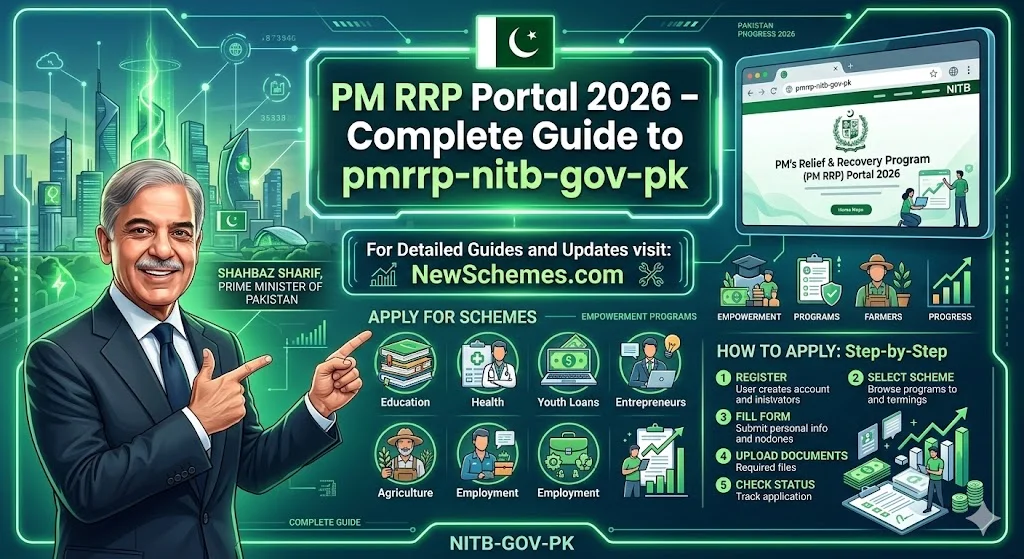
PM Shehbaz Sharif Ramadan Relief Package 2026 has emerged as one of the most prominent welfare efforts announced for early 2026, aiming to provide crucial assistance to vulnerable segments of society. This initiative marks a significant strategic shift in how the government delivers support, moving away from traditional in-kind distributions towards direct cash support. Set to precede the holy month of Ramadan, the package promises a direct disbursement of Rs. 13,000 to eligible families, a move designed to empower recipients with greater purchasing flexibility.
Unpacking the PM Shehbaz Sharif Ramadan Relief Package 2026
The core of the PM Shehbaz Sharif Ramadan Relief Package 2026 lies in its commitment to direct financial aid. As announced, each identified eligible family will receive Rs. 13,000 directly. This allocation is intended to help households manage the increased expenses typically associated with Ramadan, covering essential food items, utilities, and other daily necessities during a period of heightened demand and often, inflation.
The mechanism for this disbursement is entirely modernized. Funds will be channeled directly into beneficiaries’ bank accounts or digital wallets. This approach seeks to enhance transparency, reduce administrative overhead, and ensure that the aid reaches its intended recipients swiftly and securely. This system also minimizes the potential for corruption often associated with physical distribution centers.
A Shift Towards Direct Cash Support
The most noteworthy aspect of the Ramadan Relief Package is its departure from past welfare models. Historically, similar relief efforts often involved the distribution of commodity rations, such as flour, sugar, or cooking oil, through designated centers. While well-intentioned, these systems frequently encountered logistical challenges, long queues, quality control issues, and limited choice for beneficiaries.
By opting for direct cash support, the government under PM Shehbaz Sharif aims to grant dignity and autonomy to eligible families. Recipients can use the Rs. 13,000 to purchase items most relevant to their specific needs, whether it’s specific food ingredients, medicines, or other household essentials. “This shift is critical for respecting the intelligence and needs of our citizens,” stated a government spokesperson regarding the new strategy for the relief package.
Eligibility and Enrollment for the Ramadan Relief Package
Identifying eligible families for the PM Shehbaz Sharif Ramadan Relief Package 2026 is crucial for its success. The government plans to leverage existing robust databases, such as those maintained by the Benazir Income Support Program (BISP) and the National Database and Registration Authority (NADRA). These databases contain socio-economic profiles that help pinpoint households living below the poverty line or those categorized as extremely vulnerable.
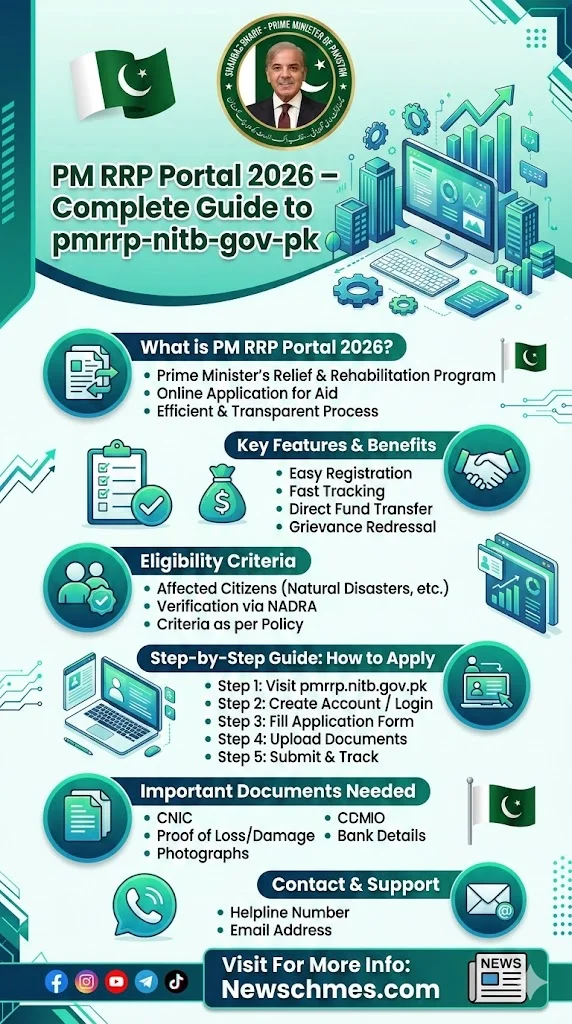
The process for registration or verification for the Ramadan Relief Package will likely involve a combination of automatic inclusion for existing BISP beneficiaries and a robust system for new applicants to confirm their eligibility. Ensuring transparency and preventing fraudulent claims is a high priority, with plans for a dedicated helpline and digital verification tools to streamline the process. More details are available on platforms like NewSchemes.com.
Economic Impact of the Ramadan Relief Package
The injection of Rs. 13,000 directly into numerous households through the PM Shehbaz Sharif Ramadan Relief Package 2026 is expected to have a tangible economic impact. It provides immediate financial relief, bolstering the purchasing power of low-income families at a time when food prices and general living costs tend to escalate. This can lead to a localized stimulation of the economy as recipients spend the money on goods and services, supporting small businesses and traders.
Furthermore, this direct cash infusion serves as a buffer against inflationary pressures, ensuring that vulnerable families can afford basic necessities without falling further into debt. A similar BISP initiative in 2023, while smaller in scale, demonstrated a positive impact on local markets and household food security during challenging economic times.
Broader Context of Pakistan’s Welfare Efforts
The Ramadan Relief Package is part of a larger ongoing commitment by the Pakistani government to strengthen its social safety nets. Pakistan has a long history of implementing welfare efforts, with programs like BISP providing quarterly stipends to millions of families. The Ehsaas program, launched previously, also focused on poverty alleviation through various initiatives including cash transfers, health cards, and educational stipends.
The design of the PM Shehbaz Sharif Ramadan Relief Package 2026 reflects an evolution in policy, aiming for more efficient and impact-oriented interventions. It shows a growing understanding of the need to empower citizens rather than simply provide handouts, aligning with global best practices in poverty alleviation.
Challenges and Implementation for the Ramadan Relief Package
While the direct cash transfer model for this Ramadan Relief Package offers significant advantages, its implementation will not be without challenges. Logistical hurdles in ensuring every eligible family, particularly those in remote areas, has access to a bank account or a functional digital wallet must be addressed. Furthermore, promoting digital literacy among all beneficiaries is key to the seamless execution of the program. Robust monitoring and evaluation systems will be essential to track the package’s effectiveness and address any discrepancies. The government would need to engage a wide network of banks and telecom operators to ensure widespread reach.
In conclusion, the PM Shehbaz Sharif Ramadan Relief Package 2026 represents a forward-thinking approach to welfare in Pakistan. By providing Rs. 13,000 directly to eligible families through bank accounts and digital wallets, it aims to deliver efficient, dignified, and impactful relief during the holy month. This strategic pivot towards direct cash support signifies a commitment to empowering citizens and ensuring their immediate needs are met, while also stimulating local economies and promoting financial inclusion. The success of this initiative will undoubtedly serve as a blueprint for future welfare efforts in the country.
Frequently Asked Questions (FAQs)
What is the PM Shehbaz Sharif Ramadan Relief Package 2026?
It is a government welfare initiative for early 2026, providing direct financial assistance of Rs. 13,000 to eligible families before the holy month of Ramadan.How much money will eligible families receive from the Ramadan Relief Package?
Each eligible family will receive Rs. 13,000 as part of this relief package.How will the funds be disbursed to beneficiaries?
The funds will be disbursed directly into beneficiaries’ bank accounts or digital wallets, marking a shift from traditional commodity distribution.Who is eligible for the Ramadan Relief Package?
Eligibility criteria will likely focus on vulnerable households, possibly identified through existing databases like BISP and NADRA. Specific criteria will be announced by the government.Why is the government opting for direct cash support instead of commodity distribution?
Direct cash support aims to provide greater flexibility, dignity, and purchasing power to beneficiaries, allowing them to buy items most relevant to their specific needs, while also increasing transparency and reducing logistical challenges.When will the PM Shehbaz Sharif Ramadan Relief Package 2026 be distributed?
The package is slated for distribution before the start of the holy month of Ramadan in 2026.How can families apply or verify their eligibility for this welfare effort?
Details on the application or verification process will be announced by the government closer to the distribution date, likely involving existing welfare registration systems or dedicated helplines.