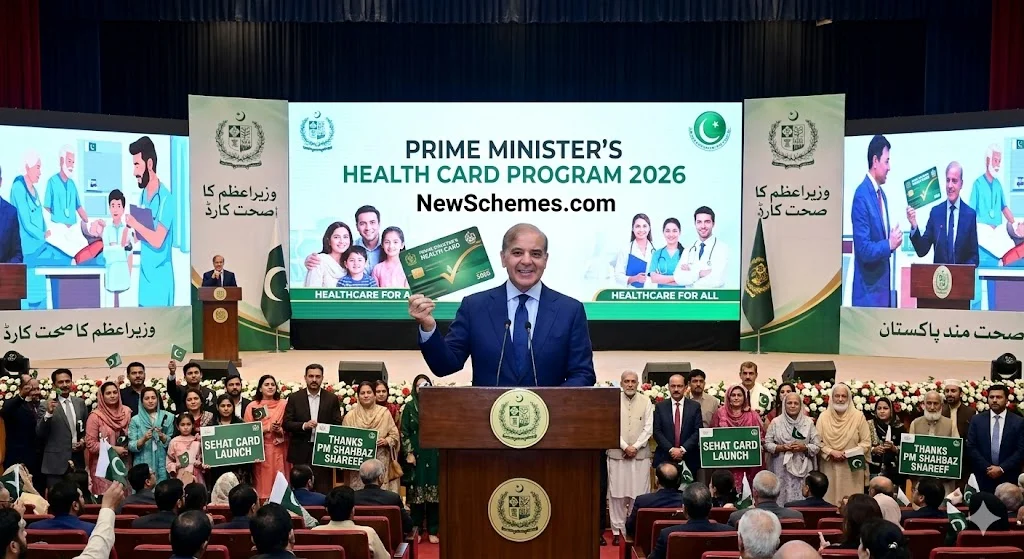
The Prime Minister’s Health Card 2026, officially known as the Sehat Sahulat Program, has been relaunched this year with significant enhancements aimed at revolutionizing healthcare access across the nation. This flagship initiative underscores the government’s commitment to public welfare, particularly for segments of the population most vulnerable to medical expenses. Through this program, eligible families are now entitled to free medical care worth up to Rs. 1 million annually at a network of approved hospitals, directly addressing the formidable challenge of out-of-pocket health expenditures.
Understanding the Sehat Sahulat Program
The Sehat Sahulat Program is a comprehensive health insurance scheme designed to provide financial protection against catastrophic health expenditures. Its foundation rests on the principle that no citizen should be deprived of quality medical treatment due to financial constraints. The program’s expansion in 2026 reflects a continuous effort to refine its reach and impact, ensuring a wider and more effective safety net for millions.
The primary objective of the PM Health Card is to alleviate the financial burden associated with serious illnesses and medical emergencies. Before its inception, many middle and low-income households were forced to make difficult choices between essential medical treatment and other basic needs. This program actively seeks to rectify such disparities, promising equitable access to healthcare services.
Enhanced Coverage of the PM Health Card
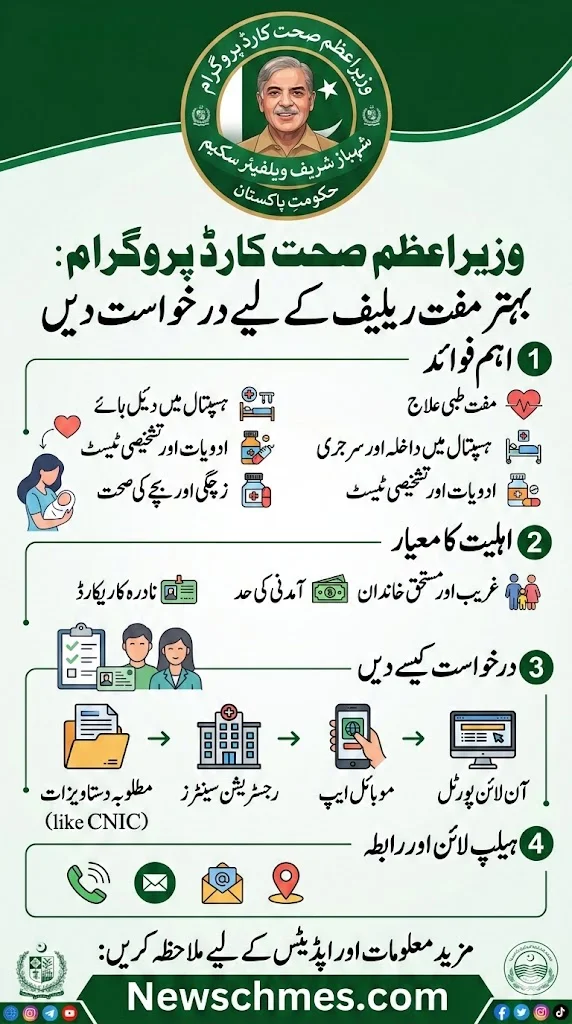
A cornerstone of the 2026 relaunch is the enhanced coverage, offering up to Rs. 1 million per eligible family. This substantial increase provides a robust shield against a wide array of medical conditions requiring hospitalization, surgery, or other specialized treatments. The PM Health Card meticulously covers various medical services, ensuring a holistic approach to patient care.
The expansion includes more comprehensive packages for critical illnesses such as cardiovascular diseases, diabetes complications, kidney diseases, and various forms of cancer. This expanded scope means beneficiaries no longer have to worry about the prohibitive costs often associated with long-term care and complex medical procedures. This updated coverage is paramount for public health. You can find more details on similar initiatives at NewSchemes.com.
Eligibility Criteria for the Prime Minister’s Health Card
The government has carefully defined the eligibility criteria to ensure that the PM Health Card benefits those who need it most. The program primarily targets middle and low-income households, which are most susceptible to financial shocks from health crises. While specific criteria may vary slightly by region, the general focus remains on socio-economic indicators.
Typically, eligibility is determined through a robust survey system or existing social protection databases. Families meeting the income thresholds or other vulnerability indicators are automatically enrolled or can apply through designated channels. This ensures a transparent and equitable distribution of the health card, reaching millions of deserving beneficiaries.
Impact on Middle and Low-Income Households
The impact of the Sehat Sahulat Program on middle and low-income households cannot be overstated. By removing the financial barrier to quality healthcare, the program empowers families to seek timely medical attention without fear of financial ruin. This leads to improved health outcomes, reduced mortality rates, and a stronger, more productive workforce.
For families struggling with limited resources, the PM Health Card represents more than just a medical insurance policy; it is a source of hope and security. It allows parents to provide their children with necessary treatments and ensures elders receive adequate care, fostering a healthier and more resilient society. This support is crucial for societal well-being.
Navigating Approved Hospitals with the PM Health Card
Accessing medical care through the Sehat Sahulat Program is designed to be straightforward. The program operates through a vast network of government and private hospitals that have been empanelled after meeting stringent quality and service standards. Upon enrollment, beneficiaries receive a digital health card, which serves as their key to accessing free treatment.
When visiting an approved hospital, patients simply present their PM Health Card. Hospital staff then verify eligibility and proceed with the necessary treatment, with all costs covered up to the Rs. 1 million limit. This seamless process eliminates bureaucratic hurdles, ensuring patients receive prompt and efficient care. For understanding new government initiatives, visit NewSchemes.com.
The Relaunch of the Prime Minister’s Health Card 2026: A Strategic Move
The decision to relaunch the Prime Minister’s Health Card program in 2026 with enhanced coverage is a strategic move reflecting an evolving understanding of public health needs. This iteration builds upon lessons learned from previous phases, incorporating feedback and adapting to contemporary health challenges. The Rs. 1 million coverage is a testament to this progressive approach.
Officials have emphasized the program’s role in achieving universal health coverage, a key national objective. “Our goal with the Prime Minister’s Health Card 2026 is to ensure that comprehensive, quality healthcare is a right, not a privilege,” stated a government spokesperson. “This relaunch is a significant step towards a healthier, more prosperous nation, providing unparalleled security to millions of families.”
FAQs about the PM Health Card
1. What is the Prime Minister’s Health Card 2026?
It’s a health insurance program, also known as the Sehat Sahulat Program, relaunched in 2026 to provide up to Rs. 1 million worth of free medical care to eligible middle and low-income families at approved hospitals.
2. Who is eligible for the Sehat Sahulat Program?
The program targets middle and low-income households. Eligibility is typically determined through national socio-economic surveys or existing social protection databases.
3. What services are covered under the PM Health Card?
The card covers various medical services, including hospitalization, surgeries, treatments for critical illnesses (e.g., heart attack, cancer, kidney disease), and other specialized care, up to Rs. 1 million per family.
4. How do I apply for the Prime Minister’s Health Card?
Families are often identified automatically through government databases. If you believe you are eligible and haven’t received a card, you can inquire through designated government helplines or program offices.
5. Which hospitals accept the Sehat Sahulat Program?
A wide network of both government and private hospitals across the country are empanelled with the program. Beneficiaries can obtain lists of approved hospitals from program offices or official websites.
6. Is there a premium or cost for the PM Health Card?
No, the program offers free medical care to eligible families, meaning there are no premiums or out-of-pocket costs at authorized medical facilities for the covered services up to the specified limit.
7. When did the Sehat Sahulat Program relaunch with enhanced coverage?
The program was relaunched with enhanced coverage in 2026, building on previous phases and increasing the financial protection offered to beneficiaries.
Conclusion
The Prime Minister’s Health Card 2026, or the Sehat Sahulat Program, represents a monumental stride towards ensuring equitable healthcare access for all citizens. With its enhanced coverage of up to Rs. 1 million, the program offers a crucial lifeline to middle and low-income families, shielding them from the devastating financial impact of medical emergencies. By integrating a vast network of approved hospitals and streamlining access, the government has solidified its commitment to public welfare. The relaunch signifies not just a policy change but a fundamental shift towards a healthier, more secure future for millions, promising a significant positive outcome on national health indicators and socio-economic stability.