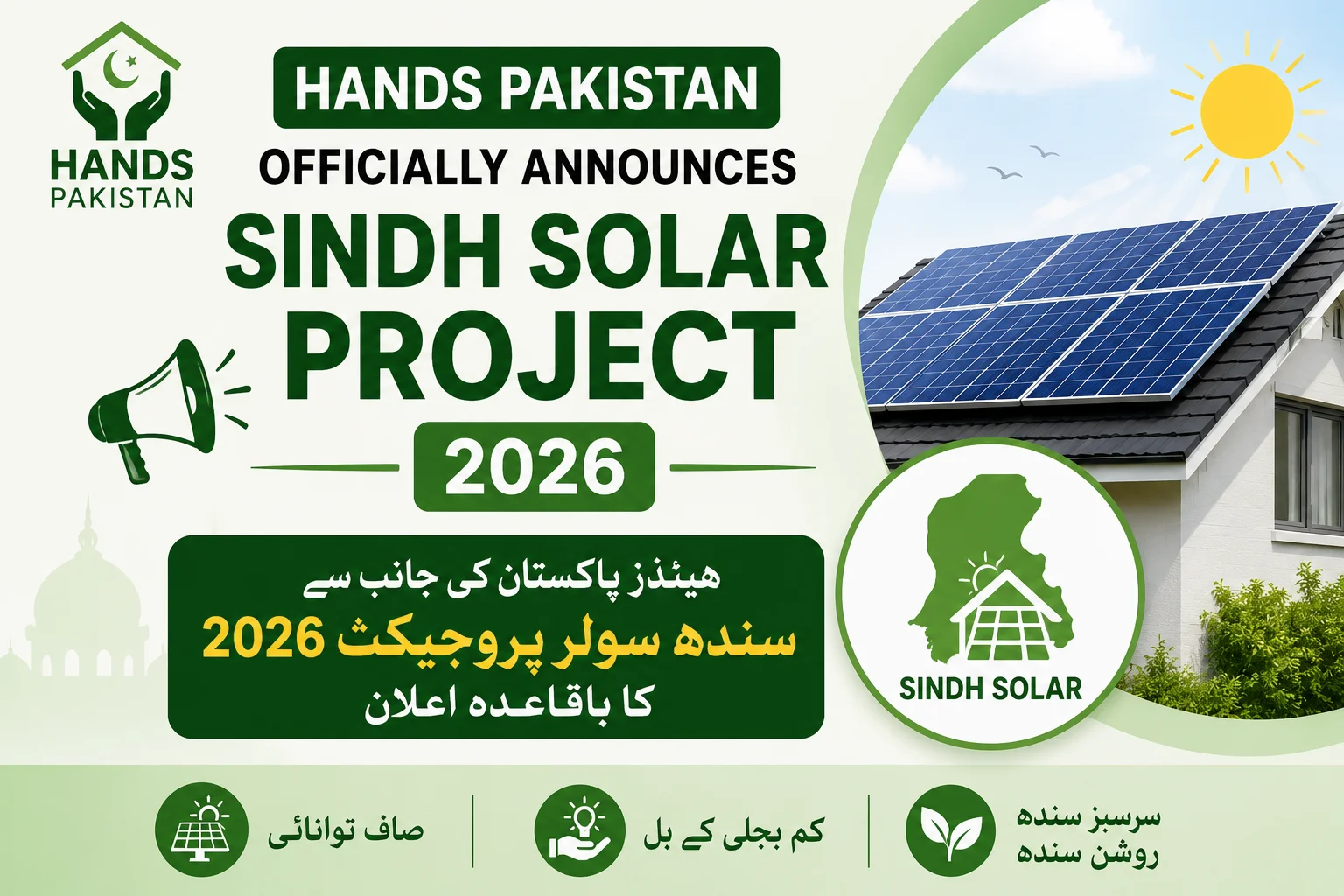
Empowering Sindh: The Sindh Solar Energy Project Illuminates Rural Communities
The Sindh Solar Energy Project, a transformative initiative spearheaded by the Sindh Government in collaboration with the World Bank and executed by HANDS Pakistan, has officially launched, bringing the promise of sustainable energy to thousands of households across the province. This monumental undertaking aims to light up off-grid communities, significantly improving the quality of life for vulnerable populations. The inauguration ceremonies in Sukkur, Ghotki, and Khairpur marked a crucial milestone, signifying the project’s operational commencement and its commitment to fostering energy independence.
A Collaborative Vision: The Sindh Solar Energy Project Unveiled
The formal launch of the Sindh Solar Energy Project was graced by the presence of prominent political figures and development partners, underscoring its national importance. Sindh Chief Minister Murad Ali Shah chaired the inauguration ceremony, joined by senior Pakistan Peoples Party (PPP) member Syed Khursheed Ahmed Shah, and Minister for Energy and Planning & Development Syed Nasir Hussain Shah. Their collective presence highlighted the government’s steadfast commitment to addressing energy poverty and driving socio-economic progress in the region.
The project is designed to provide clean, affordable electricity to areas historically deprived of grid connectivity. By leveraging solar technology, the Sindh Solar Energy Project seeks to reduce reliance on traditional, more expensive, and often polluting energy sources. This shift is expected to have far-reaching positive impacts on health, education, and local economies.
HANDS Foundation: Bridging the Last Mile for Sindh Solar
HANDS Pakistan (Health And Nutrition Development Society), a reputable welfare foundation, plays a pivotal role as the “Last Mile Distributor” for the Sindh Solar Energy Project. Their extensive network and experience in community outreach are crucial for the successful implementation of this ambitious program. HANDS is tasked with the on-ground installation of 86,667 Solar Home Systems (SHS) across 13 designated districts within Sindh. This dedicated effort ensures that the benefits of solar energy reach those who need it most, even in remote areas. More information on such initiatives can also be found on platforms like NewSchemes.com which tracks various welfare projects.
The foundation’s commitment extends beyond mere installation; it encompasses community engagement and post-installation support to ensure the longevity and effectiveness of the systems. This hands-on approach is vital for building trust and ensuring the sustainability of the Sindh Solar Energy Project. The targeted approach by HANDS ensures that the allocated resources are utilized efficiently to maximize impact.
Targeting Vulnerable Communities: Sindh Solar Energy Project’s Reach
The Sindh Solar Energy Project is specifically designed to benefit 200,000 households across 30 districts of Sindh, with a strong focus on vulnerable populations. This includes off-grid families, victims of recent floods, and beneficiaries of the Benazir Income Support Program (BISP). The initiative directly addresses the energy needs of those most impacted by poverty and environmental disasters, providing them with a reliable source of power.
By prioritizing these communities, the Sindh Solar Energy Project acts as a lifeline, offering not just lighting but also opportunities for education, economic activities, and improved household safety. The selection criteria are meticulously designed to ensure that assistance reaches those who genuinely qualify for this subsidized support.
Understanding the Sindh Solar Scheme Package Details
Each highly subsidized Solar Home System provided under the Sindh Solar Scheme is a comprehensive package tailored to meet basic household energy needs. Typically, the system includes an 80W solar panel for energy generation, a robust battery for power storage, energy-efficient LED bulbs for lighting, and fans for comfort. Additionally, a crucial feature is the mobile phone charging facility, recognizing the essential role mobile communication plays in modern life, even in rural settings.
The affordability of these systems is a cornerstone of the Sindh Solar Energy Project’s accessibility. Eligible families receive these vital energy solutions at a remarkably low, highly subsidized rate of around Rs 7,000. This nominal cost ensures that financial barriers do not prevent vulnerable households from accessing clean and sustainable energy.
Inauguration Highlights: Sukkur, Ghotki, and Khairpur Receive Solar Home Systems
The initial inauguration ceremonies in Sukkur, Ghotki, and Khairpur marked the official commencement of installations in these key northern Sindh districts. These areas, like many others in Sindh, have significant populations living without reliable grid electricity. The rollout of Solar Home Systems here signifies the broader provincial strategy to expand energy access.
Chief Minister Murad Ali Shah, during the Sukkur ceremony, emphasized the government’s resolve to empower its citizens through sustainable solutions. “This project is a testament to our commitment to a brighter, more sustainable future for every Sindhi citizen,” he stated, reinforcing the positive impact of the Sindh Solar Energy Project. He also acknowledged the diligent efforts of HANDS and the support from the World Bank.
Availing the Sindh Solar Energy Project: Eligibility and Outreach
Eligibility for the Sindh Solar Energy Project is primarily tied to existing government databases and targeted lists for specific vulnerable groups. Households enrolled in the Benazir Income Support Program (BISP) and those identified as flood-affected victims are among the primary beneficiaries. This structured approach helps in streamlined and fair distribution.
To ascertain specific distribution dates in their respective areas or to verify eligibility, interested individuals can reach out to HANDS Pakistan directly through their official website. The Sindh Solar Energy Project portal also provides broader information regarding the initiative, serving as a comprehensive resource for the public. Transparency and accessibility are key to the successful implementation of the Sindh Solar Energy Project.
Impacting Lives: Beneficiaries and the Power of Solar
The sustained delivery of electricity through the Sindh Solar Energy Project is expected to bring about profound changes. Children will have better conditions for studying after daylight hours, improving educational outcomes. Small businesses can operate longer, fostering local economic growth. Women will benefit from improved safety and reduced reliance on hazardous kerosene lamps. These direct benefits underscore the project’s holistic approach to development.
Moreover, the environmental benefits of transitioning to solar power are substantial, contributing to a reduction in carbon emissions and promoting a greener Sindh. The project exemplifies how targeted interventions can create a ripple effect of positive change throughout communities.
Conclusion
The Sindh Solar Energy Project represents a significant leap forward in addressing energy poverty and promoting sustainable development in Sindh. Through the collaborative efforts of the Sindh Government, the World Bank, and HANDS Pakistan, hundreds of thousands of vulnerable households are gaining access to clean, affordable, and reliable electricity. The successful inauguration and ongoing distribution of Solar Home Systems signify a powerful commitment to improving lives, fostering economic opportunities, and building a more resilient and illuminated future for the people of Sindh. This initiative not only lights up homes but also fuels hope for a brighter tomorrow.
FAQs about the Sindh Solar Energy Project
1. What is the Sindh Solar Energy Project?
The Sindh Solar Energy Project (SSEP) is a joint initiative by the Sindh Government and the World Bank, with HANDS Pakistan as the “Last Mile Distributor.” It aims to provide subsidized Solar Home Systems (SHS) to 200,000 off-grid, vulnerable households across 30 districts of Sindh.
2. Which organizations are involved in the Sindh Solar Energy Project?
The main partners are the Sindh Government, the World Bank, and HANDS Pakistan (Health And Nutrition Development Society), which is responsible for the on-ground distribution and installation of the systems.
3. What specific areas are covered by the initial phase of the project?
The initial inauguration ceremonies and distribution efforts have commenced in Sukkur, Ghotki, and Khairpur, with a broader goal of reaching 30 districts across Sindh. HANDS will specifically install 86,667 units across 13 designated districts.
4. Who are the primary beneficiaries of the Sindh Solar Energy Project?
The project targets off-grid, vulnerable households, including flood victims and beneficiaries of the Benazir Income Support Program (BISP). The goal is to reach 200,000 such households.
5. What does the Solar Home System package include and what is its cost?
Each highly subsidized system typically includes an 80W solar panel, a battery, LED bulbs, fans, and a mobile phone charging facility. Eligible families receive this package at an affordable rate of around Rs 7,000.
6. How can an individual check their eligibility or learn more about the distribution process?
Eligibility is often linked to government databases like BISP and lists for flood-affected areas. To find out about specific distribution dates or verify eligibility, individuals can contact HANDS Pakistan directly through their official website or visit the Sindh Solar Energy Project portal.
7. What are the expected benefits of the Sindh Solar Energy Project for the beneficiaries?
The project is expected to improve the quality of life by providing clean lighting for studies and daily activities, enabling mobile phone charging, reducing reliance on expensive and hazardous fuels like kerosene, and supporting local economic activities. It also contributes to environmental sustainability.