Rebuilding Lives: Understanding the Sindh Peoples Housing for Flood Affectees Program
The Sindh Peoples Housing for Flood Affectees (SPHF) program represents a critical humanitarian and rehabilitation effort launched by the Government of Sindh. Established to provide crucial housing support and financial assistance, this initiative targets families devastated by the unprecedented floods that impacted Pakistan, particularly Sindh, in recent years. In 2026, the SPHF program continues its vital work, extending its reach to eligible beneficiaries across numerous districts. Many prospective recipients are keenly searching for the elusive “SPHF list for May 2026,” yet it’s crucial to grasp the dynamic nature of this extensive program’s beneficiary management system.

CHECK SPHF CNIC
Enter your CNIC number to check SPHF housing eligibility
The Genesis of the SPHF Program
Following the catastrophic floods, the Government of Sindh initiated the SPHF program as a cornerstone of its recovery strategy. This large-scale undertaking aims to help affected families not just rebuild their homes but also restore a sense of stability and normalcy to their lives. The overall goal is to construct resilient, flood-resistant housing units that safeguard communities from future environmental challenges, marking a significant step towards long-term reconstruction in the province.
Navigating the SPHF Beneficiary Status: Beyond the “May 2026 SPHF List”
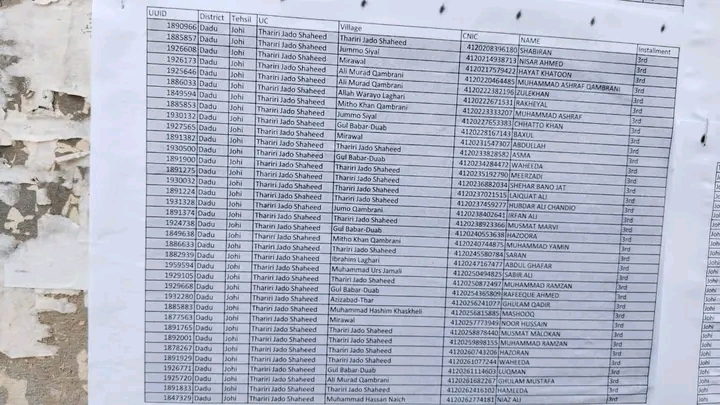
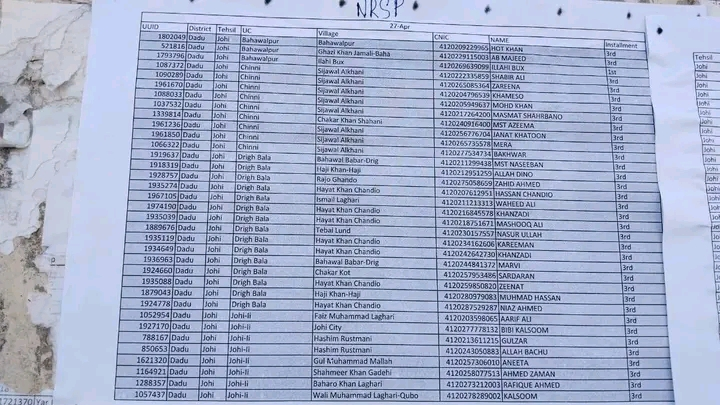
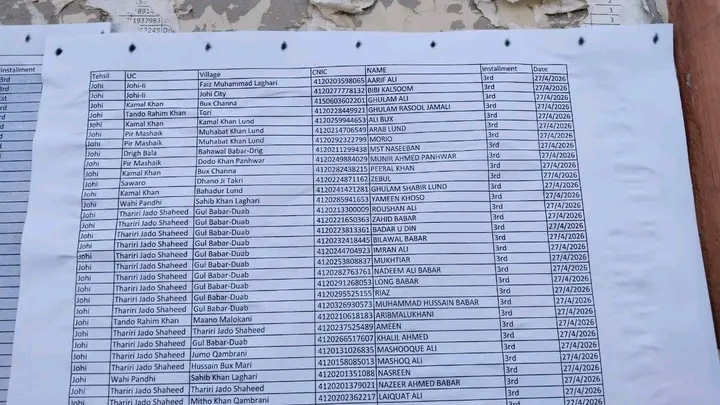
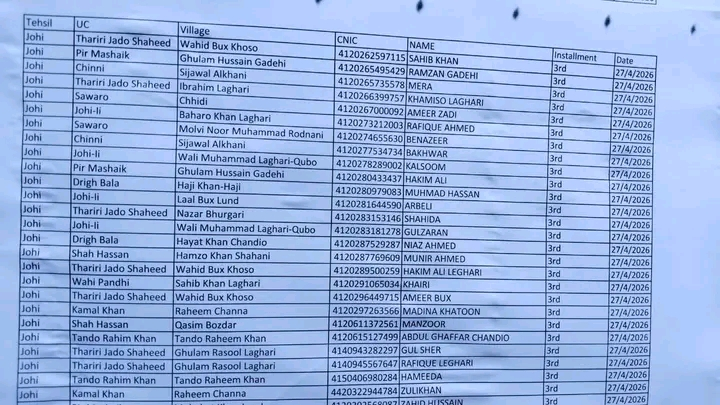
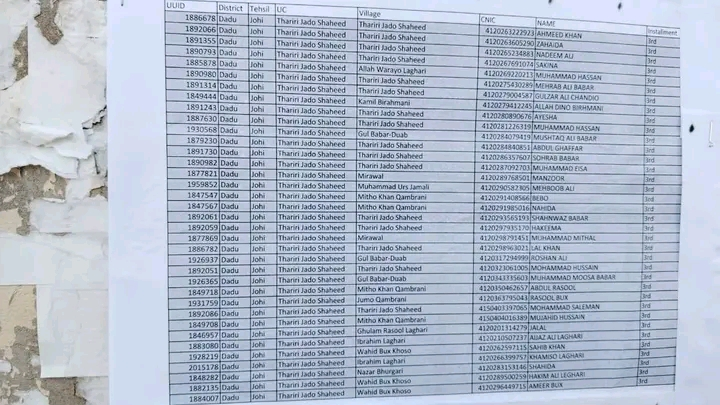
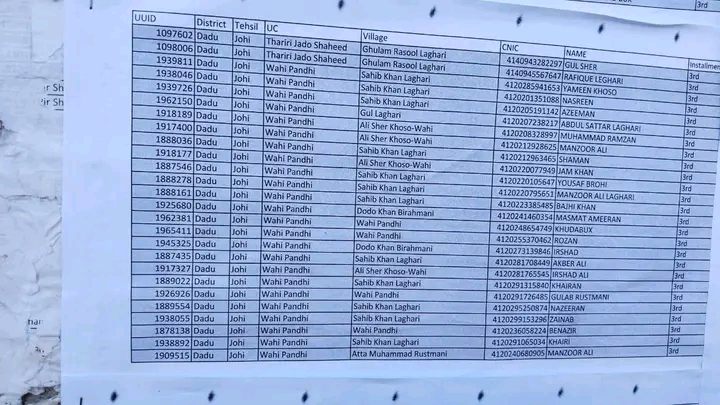
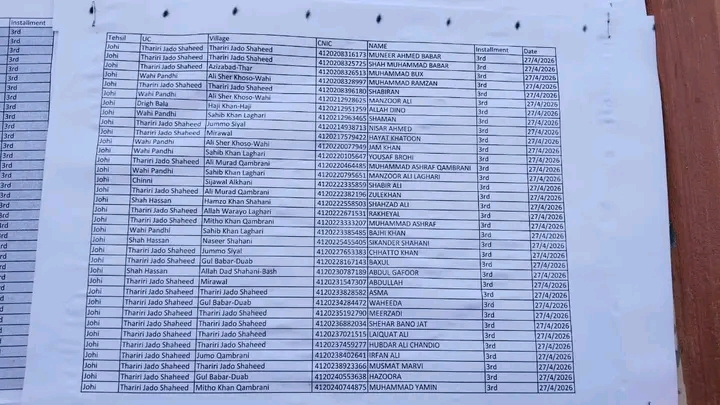
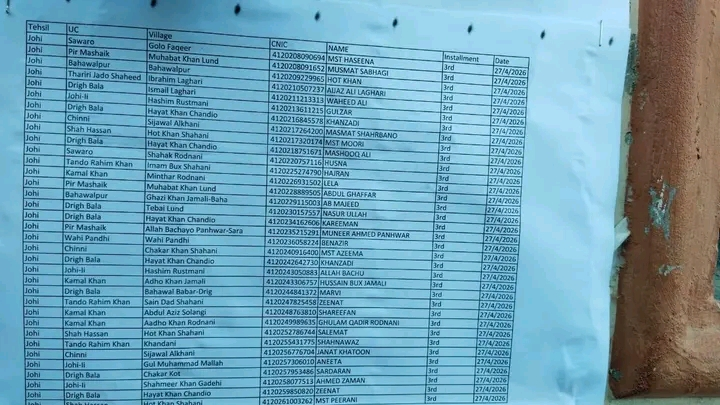
Contrary to popular belief and frequent online searches, the SPHF program does not release a single, fixed monthly list of beneficiaries. This is a common misconception, particularly concerning specific periods like “May 2026 SPHF list.” Instead, beneficiary data is continuously updated through an ongoing, robust process of surveys, rigorous verification, and comprehensive field assessments. This dynamic approach ensures that the program remains responsive to evolving needs and conditions on the ground.
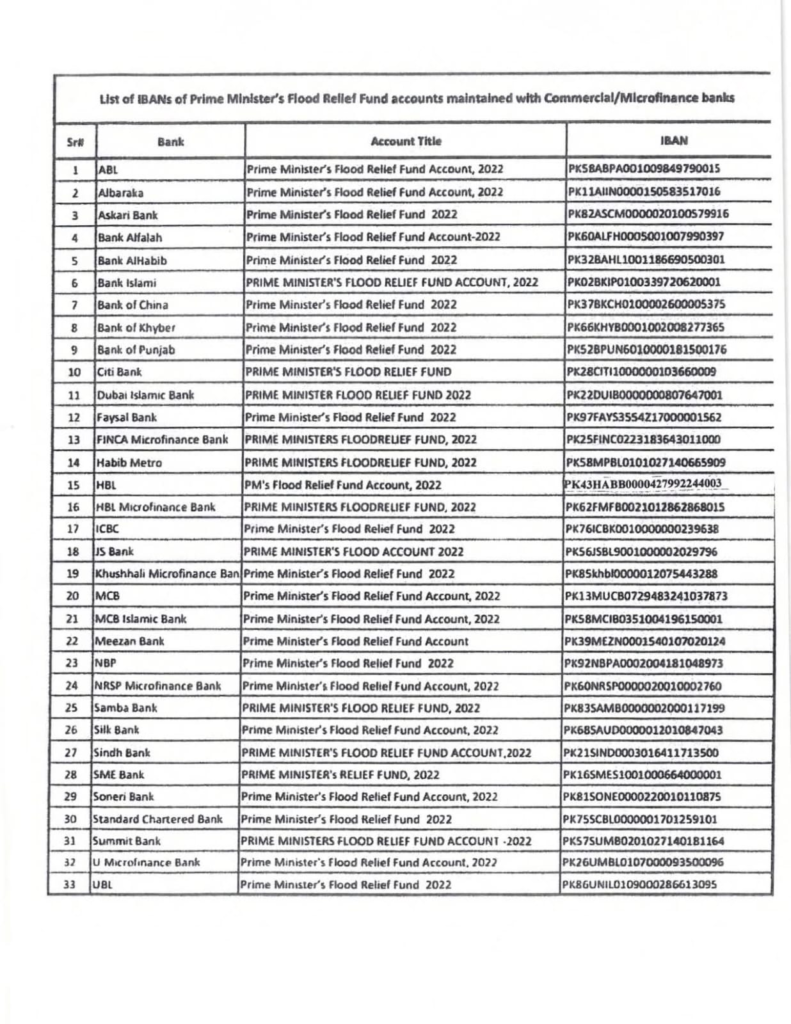
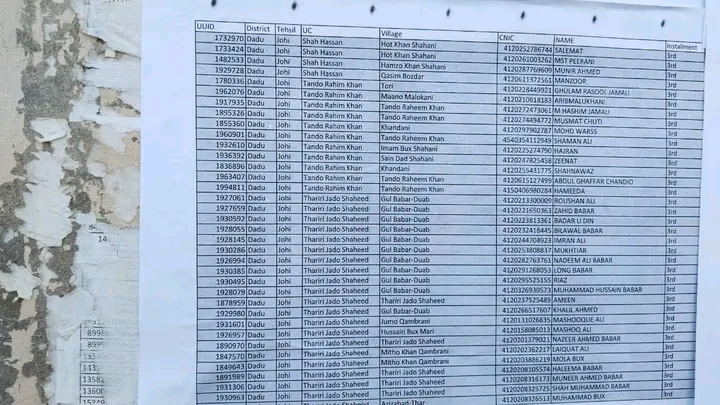
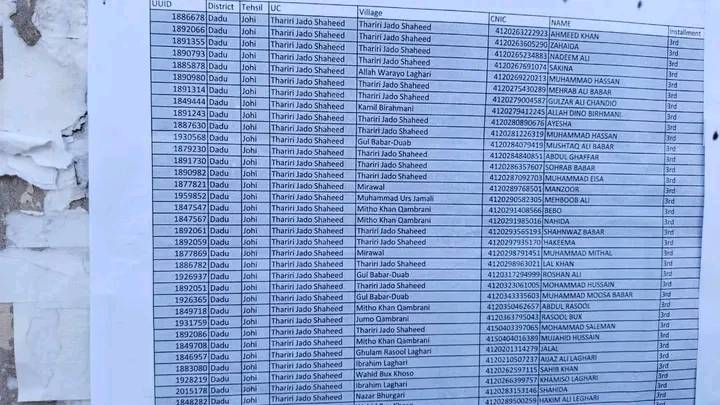

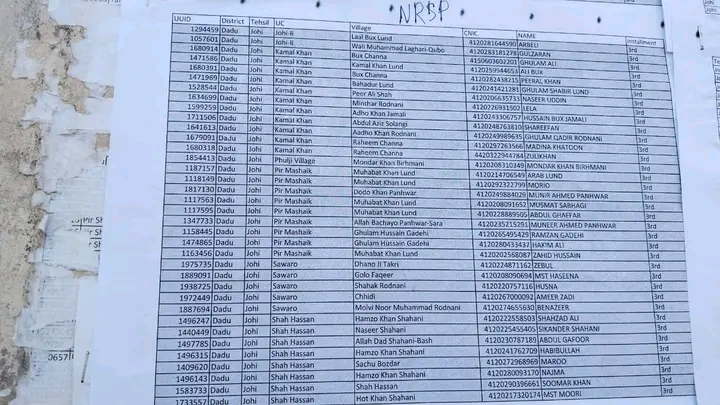
The Robust SPHF Verification Process
To ensure fairness, transparency, and the accurate identification of deserving families, the SPHF program employs a meticulous, multi-stage verification process. Government teams, often comprising local administration officials and disaster management personnel, conduct extensive door-to-door surveys. These surveys are essential for identifying families whose homes were completely or partially damaged by the floods.
After initial data collection, the information undergoes several layers of verification. This includes cross-referencing with other government databases and field visits to validate the reported damages and family circumstances. This stringent verification minimizes potential fraud and redirects resources to genuine flood affectees who most urgently require housing support.
Checking Your SPHF Eligibility Status
Applicants are strongly advised to utilize the official online portals provided by the SPHF program to check their eligibility and application status. Relying on unofficial lists or unverified information shared on social media can lead to confusion and the spread of inaccurate details. By simply entering their Computerized National Identity Card (CNIC) number on the designated SPHF website, individuals can instantly check whether they are approved, under verification, or unfortunately, not eligible. This secure and direct method is the most reliable way to confirm one’s status. NewSchemes.com also provides general information regarding government assistance programs.
Targeted SPHF Financial Assistance and Housing Support
The SPHF program primarily focuses on low-income families whose residences sustained significant damage during the floods. Financial assistance is disbursed in phases, a structured approach designed to empower beneficiaries to progressively rebuild safe and resilient homes. This phased disbursement ensures that funds are utilized effectively at different stages of construction, from foundation to roof. An official stated that “the multi-phase disbursement structure is crucial for providing incremental support as families reconstruct, ensuring efficient utilization of every rupee.”
Enhancing Transparency with Integrated SPHF Data
Transparency and accountability are core pillars of the SPHF program. To maintain the integrity of the beneficiary selection process, the program actively links its data with other established government systems, such as the Benazir Income Support Programme (BISP). This integration helps in verifying the socio-economic status of applicants and prevents duplication of benefits, ensuring that aid reaches those most in need without undue leakage.
Conclusion: Continuous Support for Sindh Flood Affectees
In summary, for those searching for a definitive “May 2026 SPHF list,” it is important to understand that such a static list does not align with the program’s operational model. The Sindh Peoples Housing for Flood Affectees (SPHF) program operates on a continuous update basis, with evolving beneficiary lists based on ongoing assessments and verifications. Applicants must rely exclusively on official channels and regularly check their status online using their CNIC. This proactive and transparent approach ensures accurate information delivery and maximizes the chances for eligible individuals to receive the crucial housing support and financial assistance they rightfully deserve in their journey towards recovery and rebuilding.
Frequently Asked Questions (FAQs)
1. Is there an official “May 2026 SPHF list” available for download?
No, the Sindh Peoples Housing for Flood Affectees (SPHF) program does not release a fixed, monthly list like a “May 2026 SPHF list.” Beneficiary data is updated continuously based on ongoing surveys and verification processes.
2. How can I check my SPHF eligibility and application status?
You should visit the official SPHF online portal. By entering your Computerized National Identity Card (CNIC) number, you can check your current status, whether it’s approved, under verification, or ineligible.
3. Who is eligible for financial assistance under the SPHF program?
The SPHF program primarily targets low-income families whose homes were either completely or partially damaged by the devastating floods in Sindh. Eligibility is determined through door-to-door surveys and a multi-stage verification process.
4. What kind of support does the SPHF program provide?
The program offers financial assistance provided in phases, along with housing support, to help flood-affected families rebuild safe and resilient homes.
5. Why are there no fixed SPHF lists?
The lack of fixed lists ensures that the SPHF program remains dynamic and responsive. Updates are continuous, allowing new eligible families to be added and statuses to be modified as verifications proceed throughout the year.
6. How does the SPHF program ensure transparency?
The SPHF program ensures transparency through a rigorous multi-stage verification process, door-to-door surveys, and by linking its data with other credible government systems like the Benazir Income Support Programme (BISP) to avoid duplication and verify beneficiary information.
7. Can I apply for the SPHF program if my house was only partially damaged?
Yes, the SPHF program provides support to families whose homes were either completely or partially damaged during the floods, provided they meet the other eligibility criteria established by the program.